


- Find the best broker for your trading needs
- Compare spreads, fees, and platforms
- Read in-depth reviews and analysis

Page Navigation


Select a different country or region to view content tailored to your location.

FxScouts helps traders across the globe by meticulously testing and reviewing online brokers and providing Forex education and market analysis. Our partners compensate us through paid advertising. While partners may pay to provide offers or be featured, they cannot pay to alter our recommendations, advice, ratings, or any other content. Our content and research teams do not participate in any advertising planning nor are they permitted access to advertising campaign data. For more detailed information click this link.

Alison Heyerdahl is the Head of Content at FxScouts and a Chartered Market Technician (CMT), as well as a trader and financial writer with extensive experience in Forex trading, broker analysis, and market research. She has reviewed 100+ brokers, publishes weekly YouTube trading videos, and co-hosts the “Let’s Talk Forex” podcast.

Alison Heyerdahl is the Head of Content at FxScouts and a Chartered Market Technician (CMT), as well as a trader and financial writer with extensive experience in Forex trading, broker analysis, and market research. She has reviewed 100+ brokers, publishes weekly YouTube trading videos, and co-hosts the “Let’s Talk Forex” podcast.
Chris Cammack is the Partner Manager and a financial writer at FxScouts. Chris builds and maintains our relationships with our partners to provide our users with the best Forex trading experience.
If you’re new to Forex trading, it can be difficult to know where to start. The Forex market is complex, and the amount of information available can be overwhelming, especially when you’re trying to choose a trustworthy broker and learn the basics at the same time.
Our goal is to give traders the best start to their Forex trading careers by recommending only the best beginner brokers in Nigera. These brokers all share the same essential qualities. They all have:
Trusted. Transparent. Tested.
For over a decade, we’ve set the standard in forex broker reviews—collecting thousands of data points yearly to deliver unbiased, expert-backed insights.
Skip the trial and error! Below, you’ll find the best forex brokers for Nigerian traders for 2026—thoroughly tested, verified, and ranked, so you can trade with confidence.


Select another broker to another broker to compare features, fees, and platforms side by side.
Find Your Ideal Forex Broker
Select another broker to another broker to compare features, fees, and platforms side by side.

0 pips
CMA, BaFin, ASIC, FCA, CySEC
USD 0
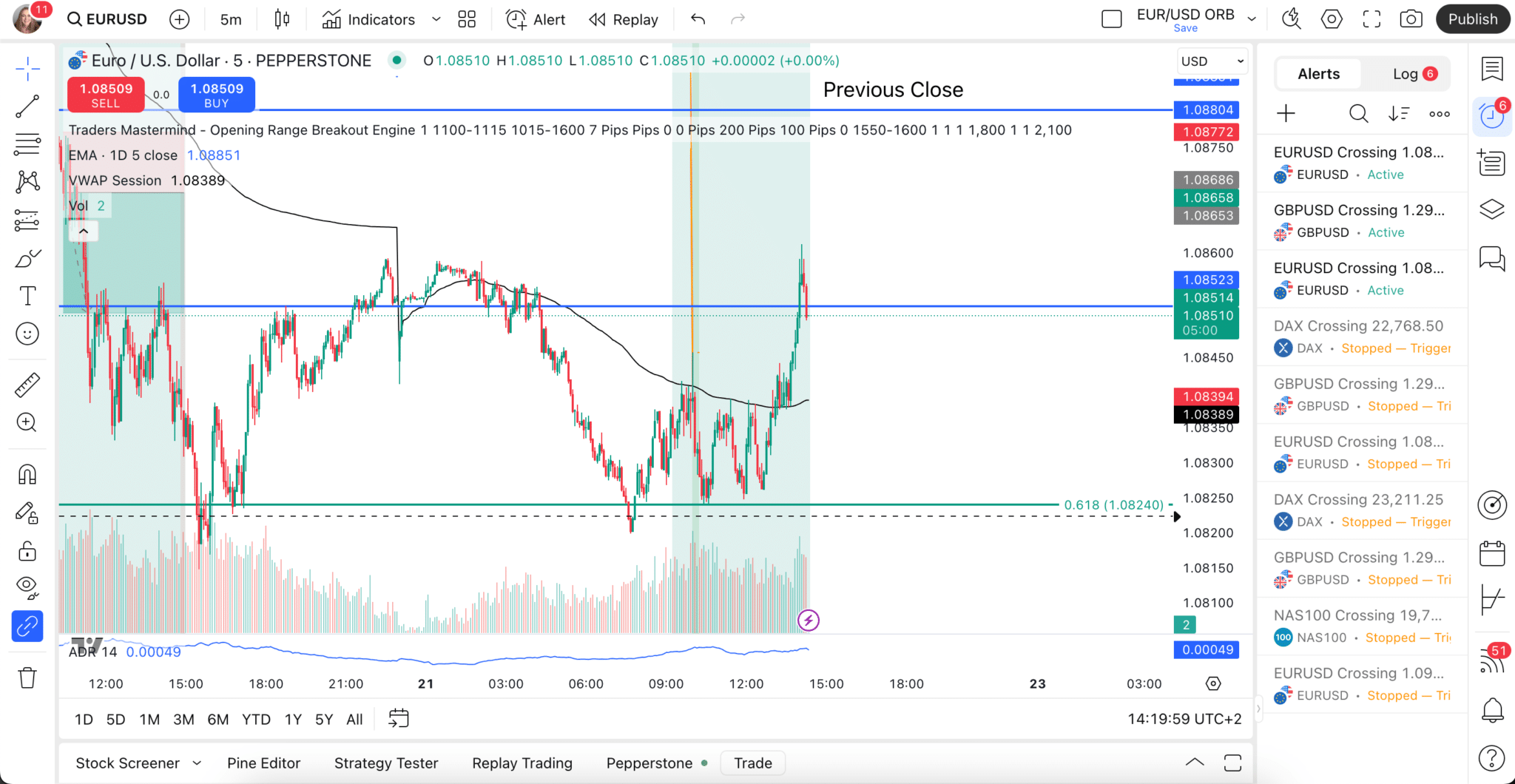
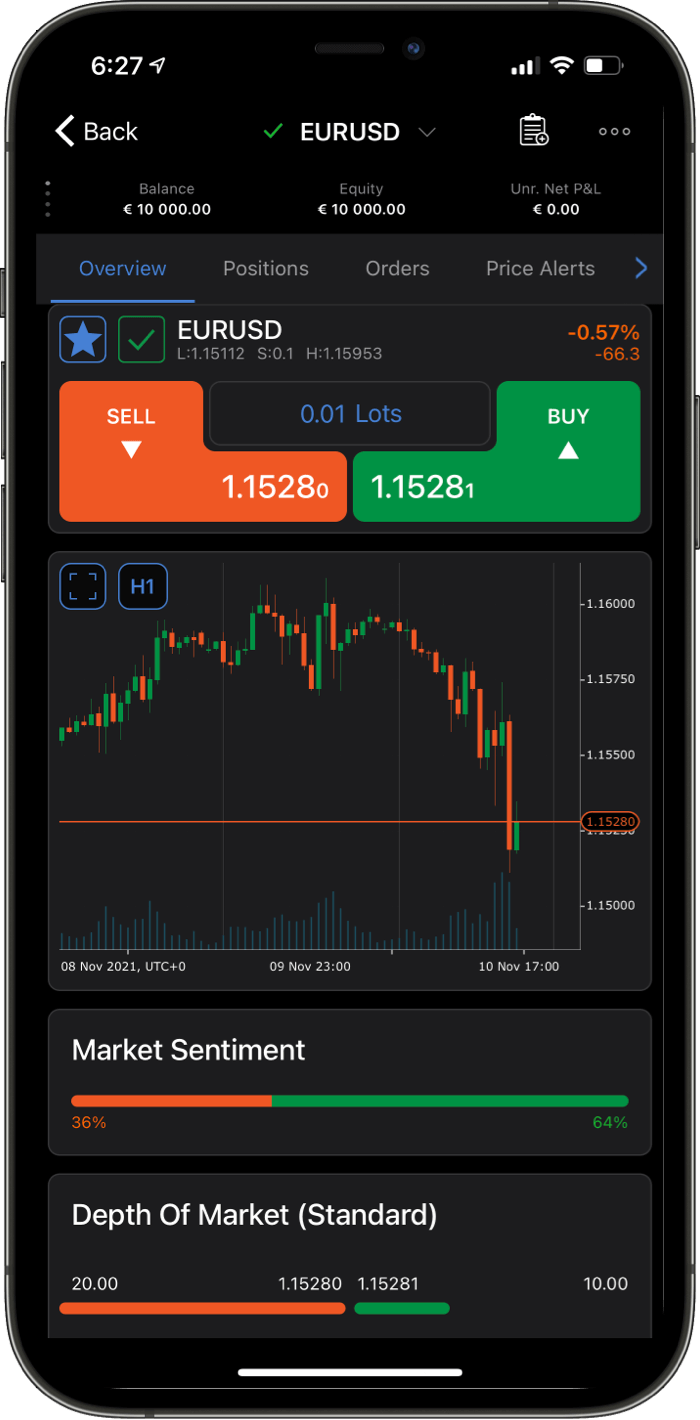
Pepperstone Platform, TradingView, cTrader, MT5, MT4
400:1
Pepperstone offers detailed video tutorials, webinars, and beginner courses specifically tailored to help new traders understand Forex step-by-step.
Standard account offers ultra-low spreads with no commission—ideal for beginners focusing on cost-effective trading.
Average execution speed under 30ms—minimizing slippage during market volatility, which benefits even beginners using basic strategies.
May be less attractive for beginners looking to start trading with small capital and incentives.
Nigerian traders must rely on international methods like cards or e-wallets; there are no dedicated Naira channels.
Pepperstone | Best for: Nigerian beginners seeking world-class education and tight spreads
FxScouts
 YouTube
Select another broker to another broker to compare features, fees, and platforms side by side.

0.6 pips
FSC, ASIC, CySEC
USD 5
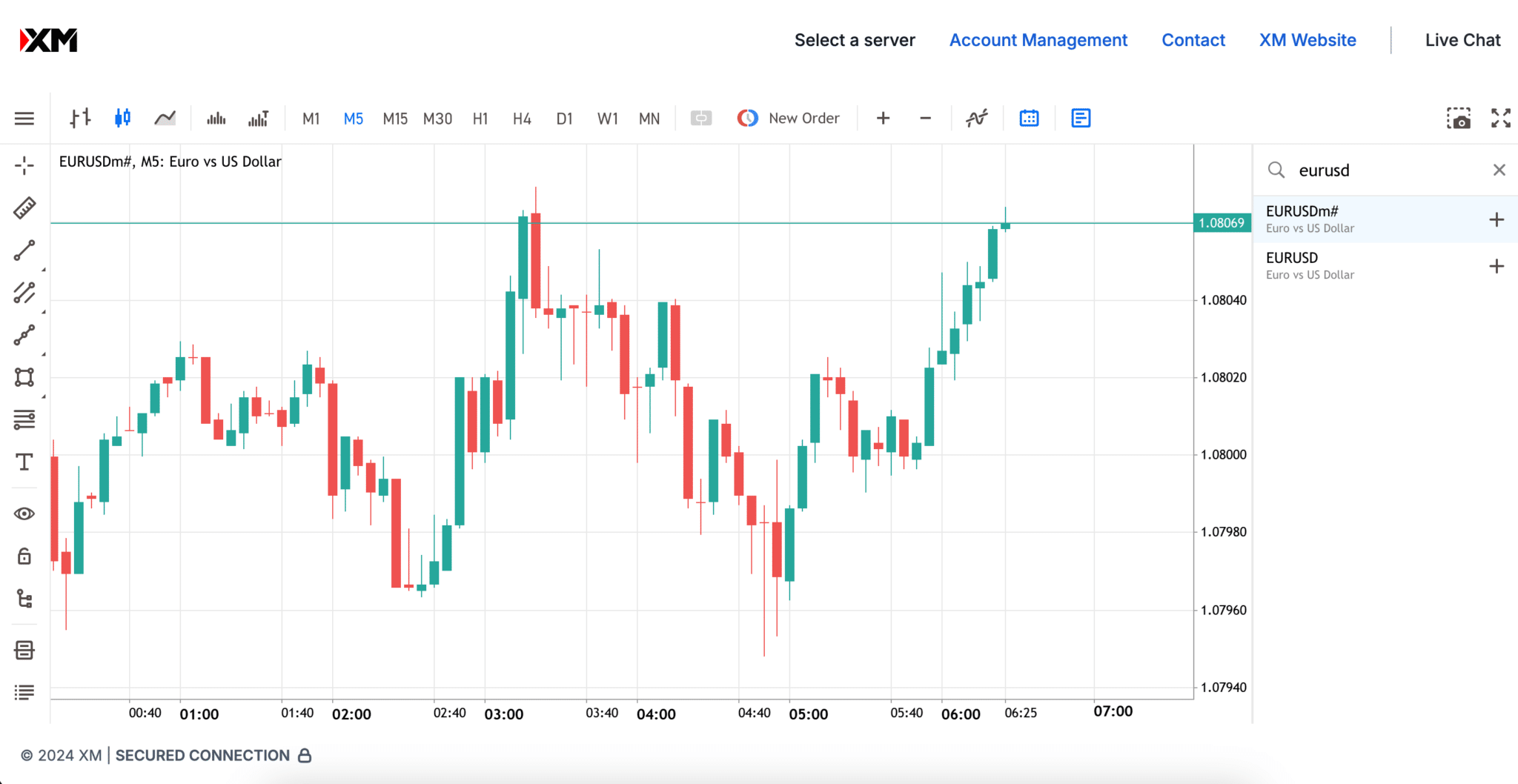
MT5, MT4
1000:1
One of the few trusted brokers that still offer a real no-deposit bonus to help beginners get started without risk.
Trade micro-lots from 0.01—perfect for practicing money management on a small scale.
Includes webinars, weekly lessons, platform tutorials, and strategy sessions tailored for beginners.
Offers additional fund protection under EU rules, even if you use the offshore entity for higher leverage.
Smaller selection of CFD assets, especially for crypto and exotic indices.
May incur charges if you’re using certain international methods rather than local ones.
XM | Best for: Nigerian beginners who want to trade with bonuses and in-depth educational support in English
FxScouts
YouTube
Select another broker to another broker to compare features, fees, and platforms side by side.
0.9 pips
FRSA, CBI, FSCA, ASIC, CySEC
USD 100
AvaOptions, Avatrade Social, MT5, MT4
400:1
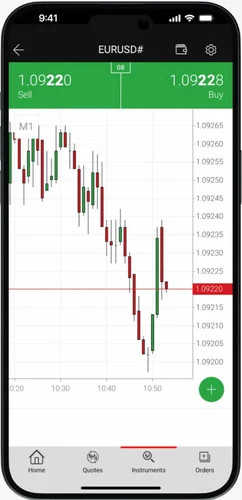
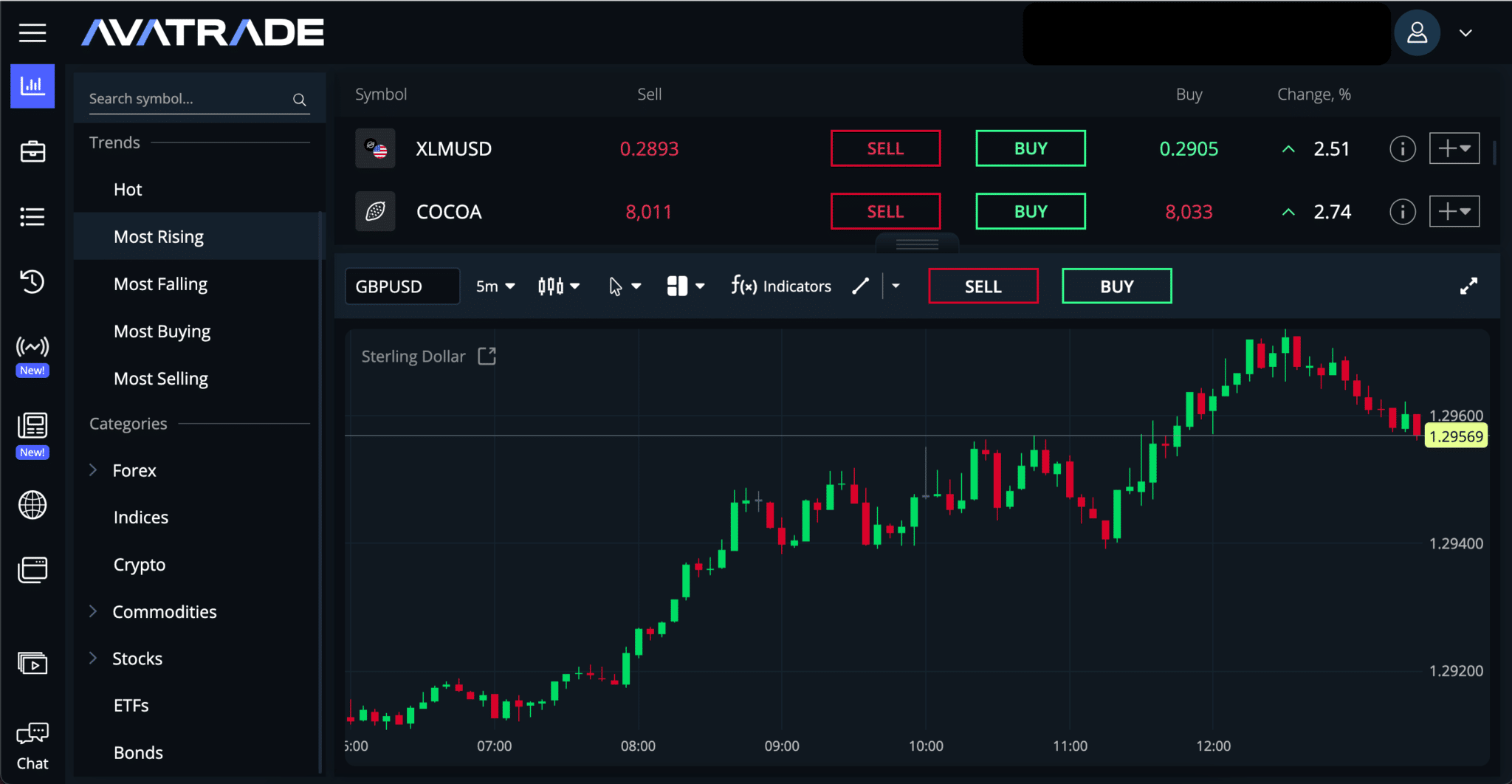
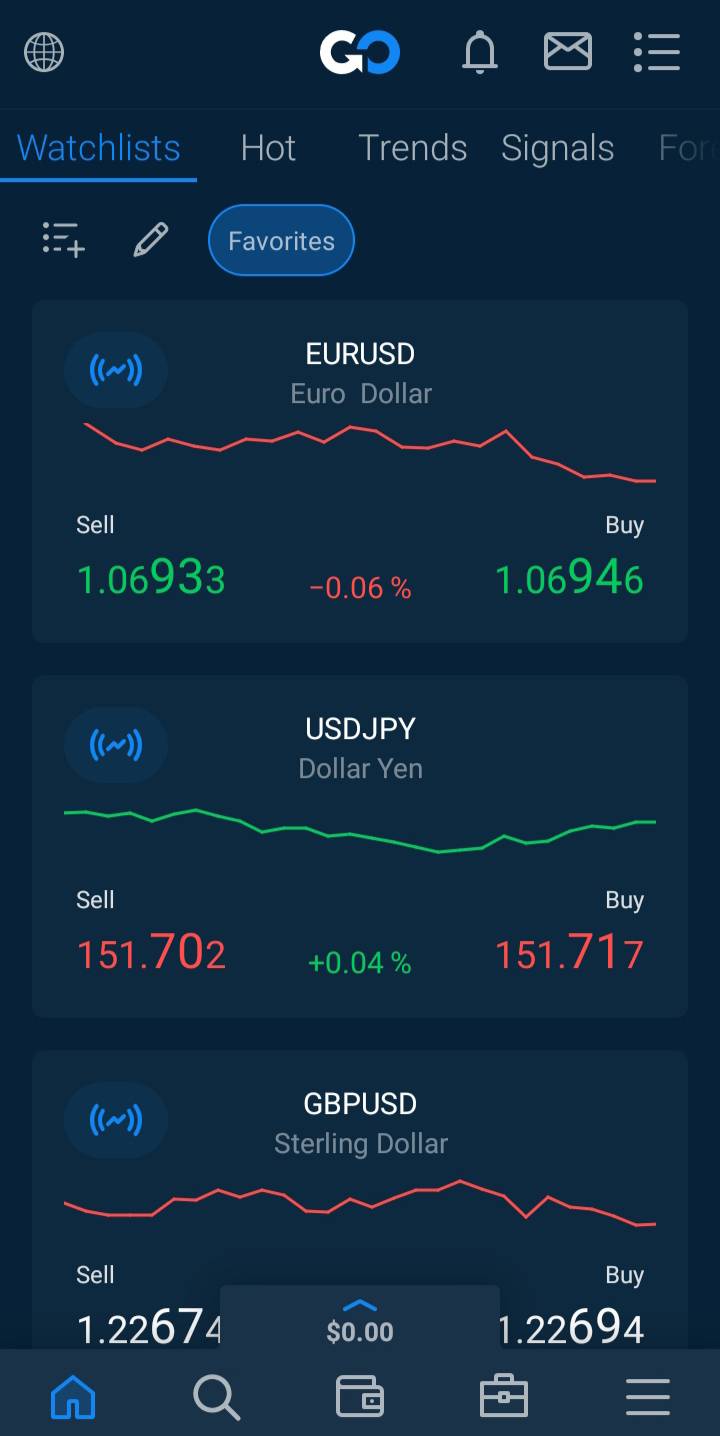
Features a simple and intuitive interface with real-time trading signals and guided tutorials for beginners.
Unique to AvaTradeGO, this allows new traders to shield positions from losses for a limited time.
Beginners can follow and copy trades from top performers.
Helpful for beginners to avoid volatility surprises in trading costs.
MT4/MT5 users won’t benefit from this risk management tool.
May not suit ultra-low capital traders starting with $10–$50.
AvaTrade | Best for: New Nigerian traders interested in copy trading and a beginner-friendly mobile app
FxScouts
YouTube
Select another broker to another broker to compare features, fees, and platforms side by side.

0.1 pips
CMA, FSA-Seychelles, FSC, B.V.I FSC, FSCA
USD 3
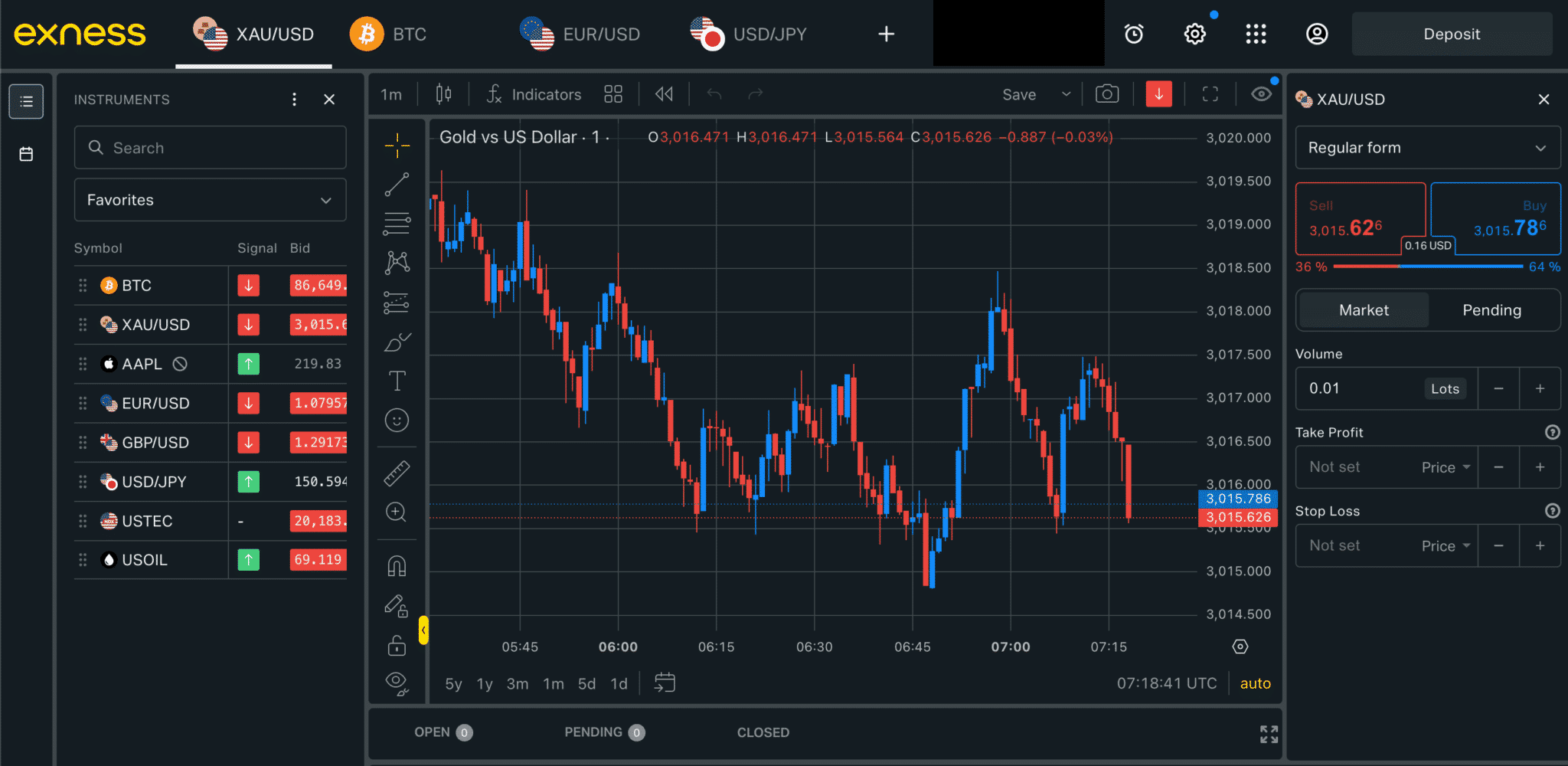
Exness Terminal, MT5, MT4
Unlimited:1
Exness allows you to start trading with as little as $1, offering a very low barrier to entry for new traders.
Once certain conditions are met, beginners can access very high leverage, ideal for those testing small capital.
Supports Nigerian bank channels for instant 24/7 withdrawals—a major convenience for local traders.
Simple account types with floating spreads and no commissions, suited for learning the basics without complications.
Requires minimum trading volume before unlocking this feature, which may confuse beginners.
New traders looking for start-up incentives won’t find them here.
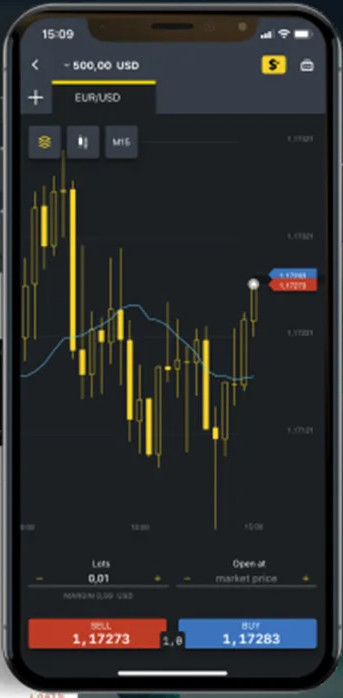
Exness | Best for: Beginners in Nigeria seeking low-cost entry, high leverage, and instant withdrawals
FxScouts
YouTube
Select another broker to another broker to compare features, fees, and platforms side by side.

0.1 pips
FSA-Seychelles, SCB, ASIC, CySEC
USD 200
TradingView, cTrader, MT5, MT4
500:1
Offers ECN-style trading conditions with some of the lowest spreads in the industry—ideal for learning scalping or day trading
Interactive education center and free, non-expiring demo accounts make IC Markets great for hands-on learning
Orders are filled in milliseconds—minimizing slippage, even for beginners
Beginner-friendly tools like Myfxbook AutoTrade and MT4 Signals are integrated
IC Markets does not provide any welcome bonuses, which some new traders may look for
Funding is via international channels—no Naira support
IC Markets | Best for: Beginners in Nigeria who want low trading costs, high liquidity, and fast execution
FxScouts
YouTube
Select another broker to another broker to compare features, fees, and platforms side by side.


Getting started in Forex trading can be challenging, but with the right approach, you can navigate the market effectively. This section will outline the basic steps to help you begin, from finding a Forex broker to demo trading and risk management.
Online Forex trading can only be done via a Forex broker. Because most of the currency traded globally comes from large institutions like banks that don’t deal with retail clients, Forex brokers facilitate the trades between these institutions and retail traders. Forex brokers buy up large currency positions and make them available to retail traders who can open accounts with just a few hundred dollars or less. Brokers also provide the software – called a trading platform – which connects the trader to the virtual network of computers that forms the Forex market.
Demo accounts are a crucial tool for any beginner in the forex market. These accounts allow new traders to practice trading with virtual money, providing a risk-free environment to understand how trading works. They offer real-time market data, enabling traders to familiarise themselves with different trading platforms, implement different strategies, and understand trading operations like placing orders and setting stop losses. Beginner traders should always start with a demo account before transitioning to a live trading account.
Risk management is a key component of successful forex trading. It involves recognising potential risks and taking steps to mitigate them. This includes setting stop-loss orders to limit potential losses, using leverage wisely to avoid significant losses, and never investing more money than you can afford to lose. Diversification, trading only a small portion of your capital, and not getting emotionally attached to trades are vital risk management strategies. Remember, the goal is not to win every trade but to manage your risk so you can stay in the game for the long term.
Understanding and following market trends is essential in forex trading. Trends give traders an idea of the direction in which the market is moving. Traders can use various technical analysis tools to identify trends, such as moving averages and trend lines. Following market trends and combining this strategy with other trading techniques can increase the likelihood of making successful trades. Additionally, staying updated with global news and economic indicators can provide insights into potential market trends. It’s important to note that trends can change quickly, so traders should be adaptable and ready to respond accordingly.
Forex trading requires constant learning to stay abreast of changing market conditions. This can be achieved by attending webinars and seminars, enrolling in online courses, listening to podcasts, and staying updated with financial news. Traders should also learn technical analysis, charting, and the use of trading indicators. Practising different strategies and learning from their success or failure is also essential.
At FxScouts, we’ve spent over a decade reviewing forex brokers globally, including those that operate locally under FSCA regulation. We know what matters to beginner Nigerian traders: safety, simplicity, low trading fees, trading education, and local support. These are the factors you need to consider to choose the best broker for your trading needs:
Your first priority as a new trader should be broker regulation. Although the Nigerian Securities and Exchange Commission (SEC) regulates the financial markets, it does not directly regulate Forex trading activities. This means that Forex trading is essentially unregulated in Nigeria and traders should choose brokers regulated by top-tier global authorities such as ASIC (Australia), the FCA (UK), and CySEC (Europe). These are some of the world’s strictest Forex trading regulators, ensuring a secure and transparent trading environment.
For beginners, understanding your trading fees is essential. You want to choose a transparent Forex broker with low trading fees, offers free deposits and withdrawals, and has NGN accounts. Trading fees include the spreads (the difference between the bid/ask prices) and commissions (a fixed fee charged per lot traded) that brokers charge you to open and close a trade on their trading platforms. For more information on trading costs, check out these resources:
As mentioned above, it’s important to have an NGN-denominated account. This means you will not have to convert Naira into USD or EUR, helping you avoid:
Look for the following payment methods:
Your trading platform is your primary interface with the Forex market. As a beginner, we recommend a platform that is:
Top trading platforms for beginnerNigerian traders include:
One of the best ways to learn trading is to start with a demo account and study the market before you invest real money.
We have found that the best brokers offer:
As a beginner, it’s essential to have responsive and reliable customer support, whether you need help placing your first trade, verifying your account, or resolving a platform error.
What to look for in customer support:

The FAQ section offers tips for choosing the best Forex brokers for beginners, including advice on selecting a broker and the costs involved in trading.
Forex trading involves buying and selling currencies on the foreign exchange market to profit from fluctuations in exchange rates. The Forex market is the biggest financial market in the world, with over 6.6 trillion USD traded daily. It operates 24 hours a day, 5 days a week—from Sunday night, when the Australian market opens, until Friday evening, when the US market closes.
Some brokers in Nigeria have minimum deposits of just 4600 NGN, but we recommend starting with at least 100,000 NGN to avoid your account being wiped out if the market turns against you.
Most international brokers require a minimum deposit in USD, which can vary from as low as 5 USD to as high as 2000 USD, depending on the broker and the account type you are opening. In Nigeria, some brokers will offer NGN trading accounts which means that you can keep your trading balance in Naira.
Forex trading is a risky endeavour that can cause substantial losses if not managed properly. Some of the risks associated with Forex trading are market volatility, which can cause losses due to sudden currency fluctuations, and high leverage, which can intensify both gains and losses. The decentralization of the forex market also contributes to the risk, as it can lead to potentially fraudulent activities. Additionally, external factors like political instability, economic events, and natural disasters can dramatically affect currency values, adding to the inherent risks.
Copy trading lets you automatically replicate trades from seasoned professionals. Great for beginners who want to learn by doing.
Reminder: Copy trading is not risk-free. Past performance doesn’t guarantee results. Start small and diversify.
Yes, almost all leading brokers now provide educational resources. These include webinars, eBooks, video tutorials, and dedicated learning centres or academies.
Free forex trading educational courses and resources:
FxScouts Youtube – Educational videos covering the basics of Forex trading, how to avoid Forex scams, and trading strategies.
The Global FX Code – Forex industry best practices.
IG Academy from IG.
AvaTrade’s Learning centre.
Yes. In Nigeria, all profits from Forex trading are classified as Capital Gains and are taxed at 10% of the gross. It is a common misperception that traders don’t need to pay income tax on profits made in offshore trading accounts. If a Nigerian resident generates profit from trading in an offshore trading account while residing within the borders of Nigeria, the profit is regarded as normal taxable income and needs to be declared in heir tax returns.
Tip: Consult a licensed Nigerian tax consultant or the Federal Inland Revenue Service for more information. Also, check out our article on tax implications for Nigerian traders.
Yes, it is possible to make a living through forex trading, but it’s important to note that this is not easy and is not the norm. Successful forex trading requires a high level of knowledge and skill, as well as a comprehensive understanding of financial markets, macroeconomic indicators, and risk management. Forex traders must be prepared to spend a significant amount of time studying the markets, following international news, and developing and testing trading strategies. Consistent profitability requires time, patience, discipline, and continual learning.
Explore more resources that fellow traders find helpful! Check out these other guides to enhance your forex trading knowledge and skills. Whether you’re searching for the best brokers, educational material, or something more specific, we’ve got you covered.

Discover the top Forex brokers in Nigeria. Compare top platforms, fees and features to make an informed trading choice.
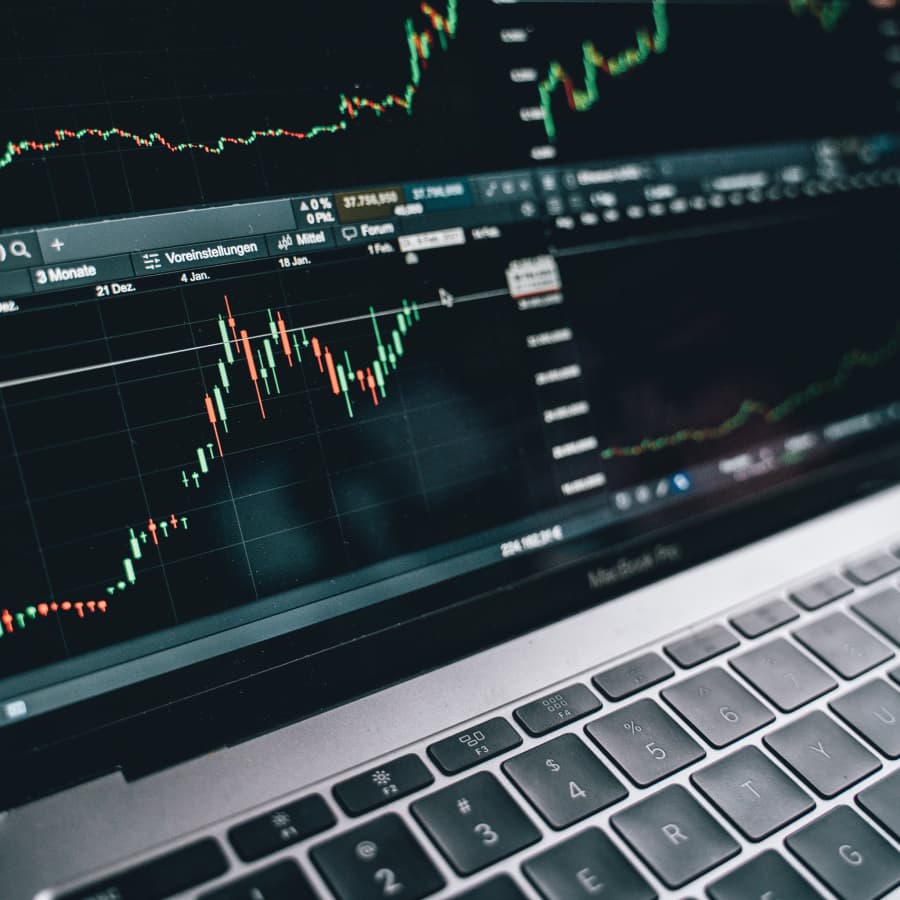
Compare the best Forex trading platforms for 2026, including MT4, MT5, cTrader, and TradingView. Find the right tools to enhance your trading experience.
What is Forex trading and how does it work? An easy-to-read guide including how to trade, and how to choose a reliable broker.
60-90% of retail traders lose money trading Forex and CFDs. You should consider whether you understand how CFDs and leveraged trading work and if you can afford the high risk of losing your money. We may receive compensation when you click on links to products we review. Please read our advertising disclosure. By using this website, you agree to our Terms of Service.
Partner Manager and Financial Writer
Head of Content
Financial Writer



Welcome to the FxScouts community! We’re thrilled to have you on board. You’ve successfully signed up for our forex newsletter, where you’ll receive expert insights, market analysis, and the latest news straight to your inbox.
Get ready to stay ahead of the curve with our regular updates designed to help you make informed trading decisions.
Happy trading!
The FxScouts Team